
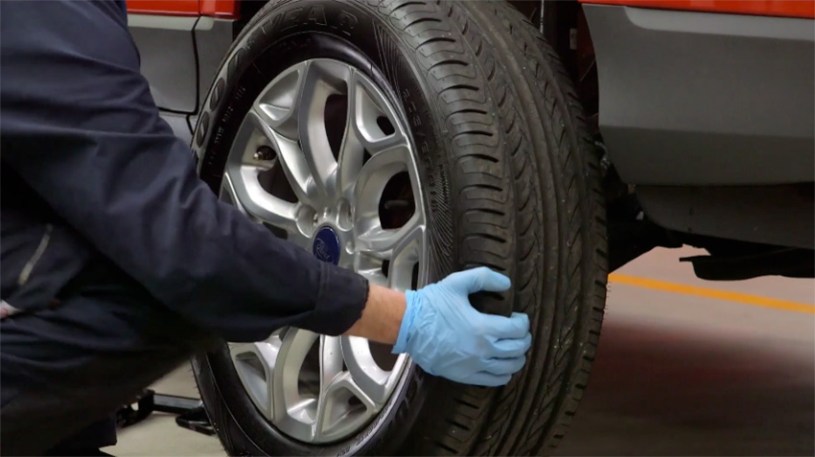
The maximum time period allotted for this purpose is within 2-10 years of time span. If you have not replaced your car tyres within this span of time, then as a necessary precaution, as recommended by experts of any car dealer Brighton, it is mandatory that you should replace your old tyres with new ones. Even though your tyres appear to be under usable conditions and are not worn down.
Why Do You Need To Change Your Tyres?
Tyres are some of the vital parts of your cars as they are concerned with the cars’ acceleration, handles, and brake systems. As the tyre gets older and starts tearing in the long run, it loses some of its major functions.
You might often plan to go to sell my car instant quote, which is not the sole factor. It would be wiser that you decide to spend some of your hard-earned money on a new set of tyres. In Middle East countries, where the temperature is extremely hot causes blowouts on exposure.
It is rather vital to keep this in mind at the proper time for changing your tyres. But if you sell your car, that would fetch you some hard cash, but that concept is worthwhile.
When Do You Change Your Car Tyres?
Implementing the proper methods of tyre maintenance like rotating the tyres, balancing your overall vehicle, and regular checkups of tyre pressure, might reduce the possibility of the tyre wearing down, but every tyre needs to be replaced after some period of time.
Listed below are some of the prime factors that would give an idea as to when you need to replace your old tyres. Therefore, the following points are as follows:
- Tyre Tread
The wear in every tyre could be found between the treads. If the tread is found to be present even inside the tread wear indicator, then you could rest assured to change your old worn-out tyres with the new ones.
It would also mean if the tread depth is approximately 1.6 mm, then as per the globally based manufacturing concerns, your car tyres need to be replaced as well.
- Tyre Damage
Some of your tyres may have cuts, cracks, bulges, worn outs, or dry rots on looking closely at them. Under such circumstances, the damages caused can not be repaired, and you have to purchase new tyres for your car.
For example, dry rotting is prone to blowing off the tyres, when subjected to high pressure or extreme heat while driving your car during the summer. There are certain cases when your car tyres successfully pass the tread wear test and do not look dry or rotted.
But if you properly observe them, you might notice that there are certain spots on the surfaces of your car’s tyres. This condition is termed cupping which clearly indicates a shocking issue when your tyres begin to bounce and dish while driving on the highways. Under such scenarios, you have to buy new ones to get rid of the older ones.
- Tyre Puncture
When your tyre gets punctured, you have to check it from the inside to see whether it could be repaired or get replaced. Michelin suggested that tyres having tread punctures bigger than ¼” or any treads by their sides, then it would be a better idea for replacements rather than repairing.
- Tyre Age
Tyres display certain symptoms of ageing on frequent usage or on occasions or even they are not used at all. There are certain criteria like the way of driving, category of your vehicles, atmospheric weather, road situations, and routine maintenance.
Such factors lead to the ageing of the tyres. However, it does not concern how they would age through various external conditions. You have to be careful regarding this and know how to handle such situations when you detect signs of ageing.
Most of the tyre companies known all around the globe generally recommend that you should never use your tyres once they have served you over 10 years of life span. The tyres are prone to harden and breakable after 5-6 years due to oxidations.
Therefore, the tyres require careful investigations once a year after they have been used for 5-6 years from the date of manufacture. Even though the expiry dates are not mentioned on your car’s tyres, there are certain factors like storage, climatic situations, loads on your vehicles, pressure applied on the tyres, and driving style that play their basic roles in the lifespan of a tyre.
 Dealers Car Blog