
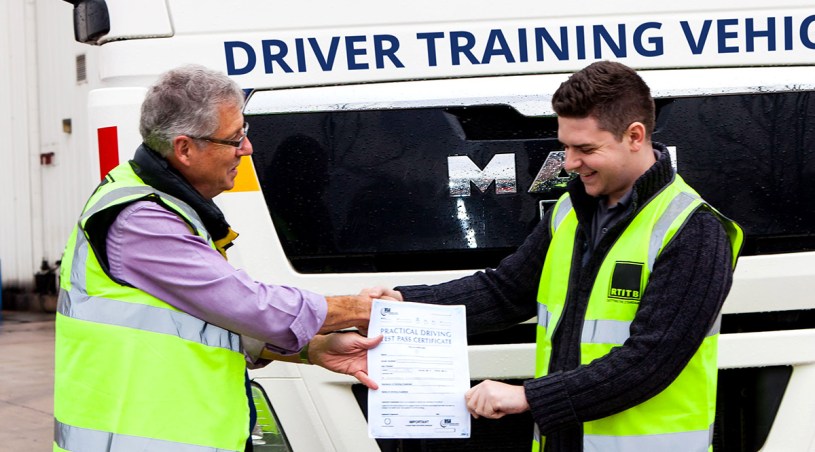
If you’ve ever considered becoming a professional driver, you’ve probably come across the term hgv training. At first glance, it might seem a bit technical or even overwhelming—but in reality, it’s a straightforward path once you understand how it all fits together.
Whether you’re looking for a career change or just want something more hands-on, HGV driving can offer steady work, decent pay, and a sense of independence that’s hard to find in many other jobs.
What HGV Training Actually Involves
Let’s keep it simple. HGV training is all about preparing you to safely drive large vehicles like trucks and lorries. It’s not just about learning how to handle a bigger steering wheel—it’s about understanding the responsibility that comes with it.
The training is usually split into two parts: theory and practical.
On the theory side, you’ll cover road safety, hazard perception, and the rules that apply specifically to heavy vehicles. This part matters more than people expect. It helps you think ahead and avoid problems before they happen.
Then comes the practical training. This is where you get behind the wheel and start learning how these vehicles actually move. Turning, reversing, and managing space are completely different compared to driving a car. It can feel awkward at first—but that’s normal.
Getting Started: What You Need
Before you begin training, there are a few basic requirements:
- A full car driving license
- A medical check to confirm you’re fit to drive
- A provisional HGV license
Once you’ve got these sorted, you’re ready to start learning.
Some people go through the process quickly, finishing in a few weeks. Others take a bit more time, especially if they’re balancing training with work or family commitments.
Choosing the Right Training Provider
Not all training centers offer the same experience. Some focus on getting you through the test as quickly as possible, while others take the time to properly prepare you for real driving.
It’s worth asking a few questions before signing up. How experienced are the instructors? What do past learners say? Do they offer enough hands-on practice?
A supportive instructor can make a huge difference—especially when you’re dealing with something completely new.
Common Challenges (and How to Handle Them)
Most learners hit a few bumps along the way. Reversing is a big one. It’s not just about steering—it’s about patience and understanding how the vehicle responds.
Another common challenge is confidence. Driving a large vehicle in traffic can feel intimidating at first. The key is to stay calm and focus on one thing at a time. You don’t need to master everything in a day.
For example, many drivers say their first time navigating a tight roundabout felt stressful. A few weeks later, it became just another part of the job.
What Happens After Training
Once you pass your test, you’re officially qualified—but learning doesn’t stop there. Your first job will teach you things no classroom can.
You might start with shorter routes or local deliveries. Over time, you’ll get more comfortable and start taking on longer trips or more complex loads.
Some drivers prefer routine, while others enjoy variety. Either way, there’s room to shape your career based on what suits you.
Is It Worth It?
That depends on what you’re looking for. If you enjoy driving, like working independently, and don’t mind spending time on the road, it can be a solid career choice.
It’s not always easy—there can be long hours and early starts—but for many people, the trade-off is worth it.
Final Thoughts
HGV training isn’t as complicated as it might seem at first. Take it step by step, focus on learning the basics, and give yourself time to adjust.
Everyone starts somewhere, and no one gets it perfect right away. Stick with it, keep practicing, and before long, you’ll be out on the road with confidence.

