
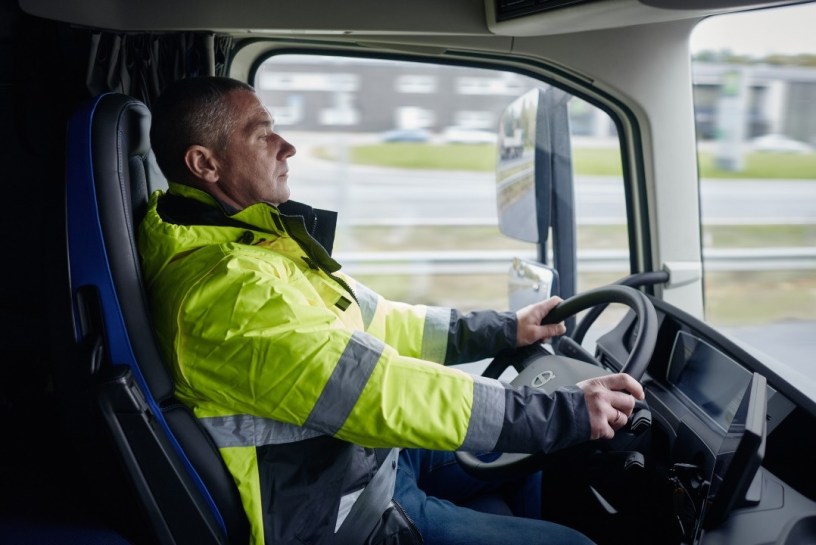
If you’re thinking about becoming a professional driver, you’re not alone. With steady demand, solid pay, and the chance to work independently, it’s a career path that appeals to a lot of people—especially those who enjoy being on the road.
But getting started can feel a bit confusing at first. What qualifications do you need? How long does training take? And what does the job actually look like day to day? Let’s break it down in a simple, practical way.
Understanding What HGV Driving Involves
HGV (Heavy Goods Vehicle) drivers are responsible for transporting goods across towns, cities, and sometimes even countries. Depending on the role, you might be delivering anything from supermarket stock to construction materials.
It’s not just about driving, though. You’ll also need to plan routes, manage delivery schedules, and make sure your vehicle meets safety standards. In short, it’s a mix of responsibility, independence, and real-world problem-solving.
Getting Started with HGV Driver Training
The first step is enrolling in hgv driver training, which gives you the skills and qualifications needed to legally drive heavy vehicles.
Before you can begin, you’ll usually need to:
- Hold a full car driving license
- Apply for a provisional HGV license
- Pass a medical exam
Once that’s sorted, training typically includes both theory and practical elements. You’ll learn things like road safety, vehicle handling, and how to deal with different driving conditions. Then comes the practical test, where you’ll show you can safely operate a large vehicle.
Some people complete their training in a few weeks, while others take a bit longer depending on their schedule.
Choosing the Right Training Provider
Not all training programs are the same, so it’s worth doing a bit of research. Look for providers with experienced instructors, good pass rates, and clear pricing.
If possible, speak to past trainees or read reviews. A supportive instructor can make a huge difference, especially if you’re new to driving larger vehicles.
Building Experience and Finding Your First Job
Once you’ve passed your test, the next step is landing your first role. Many new drivers start with entry-level jobs to gain experience. These might include local deliveries or working with smaller fleets.
Don’t worry if your first job isn’t perfect—it’s a stepping stone. As you build experience, more opportunities will open up, including long-distance driving or higher-paying roles.
Networking can help here too. Stay in touch with your training provider or connect with other drivers—they often know about job openings before they’re advertised.
Growing Your Career Over Time
One of the best things about this career is how much room there is to grow. With experience, you can:
- Move into specialized driving (like hazardous goods or refrigerated transport)
- Take on longer international routes
- Become a trainer or instructor yourself
Some drivers even go on to start their own transport businesses.
Is It the Right Fit for You?
HGV driving isn’t for everyone. It can involve long hours, time away from home, and working in all kinds of weather. But for many people, the freedom and stability make it worthwhile.
If you enjoy driving, like working independently, and want a career with consistent demand, it’s definitely worth considering.
Final Thoughts
Starting a career in HGV driving might seem like a big step, but once you understand the process, it’s actually quite straightforward. With the right training, a bit of patience, and some real-world experience, you can build a stable and rewarding career on the road.
Take that first step, explore your options, and see where it leads—you might be surprised at how far it can take you.

